Bowen Center
Our History & Mission
 To enable individuals and families, regardless of age, to effectively and productively meet the many challenges within today’s scope of “problems of living” by providing comprehensive community services in a caring environment.
The Emma L. Bowen Community Center is staffed by a multilingual, multidisciplinary team of highly trained and culturally experienced professionals — including psychiatrists, psychiatric nurse practitioners, social workers, nurses, addiction treatment counselors, case managers, vocational rehabilitation counselors, and early childhood teachers.
For nearly 40 years, the Bowen Center has provided accessible mental health, addiction treatment, and supportive services to the Harlem community and beyond from one convenient location. As one of the region’s most experienced community-based organizations, the Center works with individuals of all ages — from infants to older adults — through a comprehensive continuum of care.
Programs and Services Include:
Therapeutic Preschool: A year-round program for preschoolers with developmental and emotional challenges designed to support academic readiness and social-emotional growth.
Infant & Early Childhood Services: Behavioral health services for children ages 0–7 and their families to support healthy development and resilience.
Child & Adolescent Services: Outpatient support and school-based mental health services for children and teens.
School-Based Program: Accessible mental health services to children and adolescents ages 4 to 19 in a supportive school environment
Adult & Senior Behavioral Health Services: Comprehensive outpatient mental health and addiction treatment for adults and older adults.
Rainbow Clubhouse: A work-ordered rehabilitation program supporting adults with serious mental illness in skill-building, vocational support, community engagement, and recovery.
Addiction Treatment Services: A holistic approach to addiction treatment, offering individual, group, family counseling, and peer services
Care Management: Advocacy and supportive services for adult, home-bound and Children in need of navigating complex systems of care.
ABLE HOUSE: A 20-bed residential treatment facility offering structured recovery support. (Program details available via central services directory:
Food Pantry: Provides thousands of packages of emergency food relief each month to community members experiencing financial hardship. (Service info available via central services directory:
To connect with one of the Bowen Center’s programs, visit our Services page or contact our Intake Team to schedule an appointment or request more information
The Emma L. Bowen Center is a 501(c)(3) nonprofit community-based organization established in 1986 and licensed by the New York City Department of Health and Mental Hygiene, New York State Office of Mental Health, NYS Office of Addiction Services and Supports (OASAS), and New York State Department of Education.
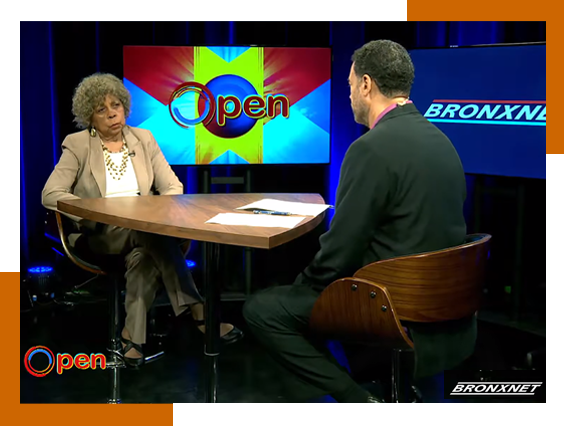
Emma L. Bowen
Founding President
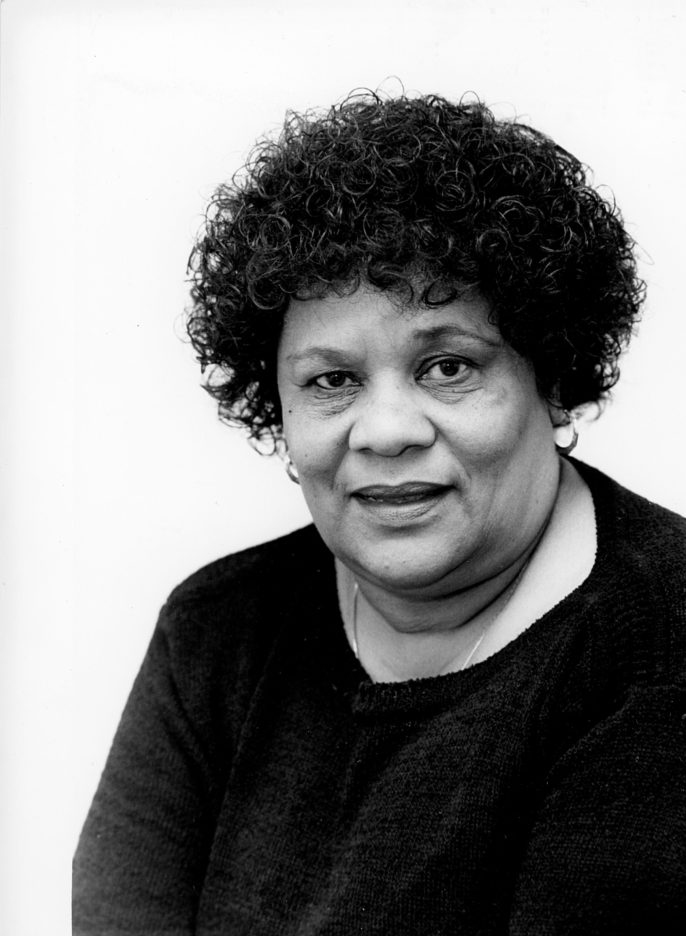
 Emma L. Bowen was a mother, community activist and fighter for justice who was always concerned about the well-being of her neighbors as well as her community.
As a young widow with three beautiful daughters, Emma always found time to be actively involved in volunteering her services for the individuals residing in the Upper Manhattan and Harlem communities who were in need. In the 1960’s, she organized the Citizens Action for Neighborhood Organization (CAN-DO) and brought together tenants, landlords and City housing officials to seek ways to improve living conditions.
Emma also supported and partnered with elected officials who she felt would make positive contributions to the cause of equality for minorities. In conjunction with her good friend, New York State Senator Jacob Javits, Emma worked to bring an end to the unwritten law of the U.S. Senate that denied Black youth the right to become pages, and on April 18, 1965, the first African American page began work at the U.S. Senate.
Not too long after, New York City Mayor John V. Lindsay would appointed Emm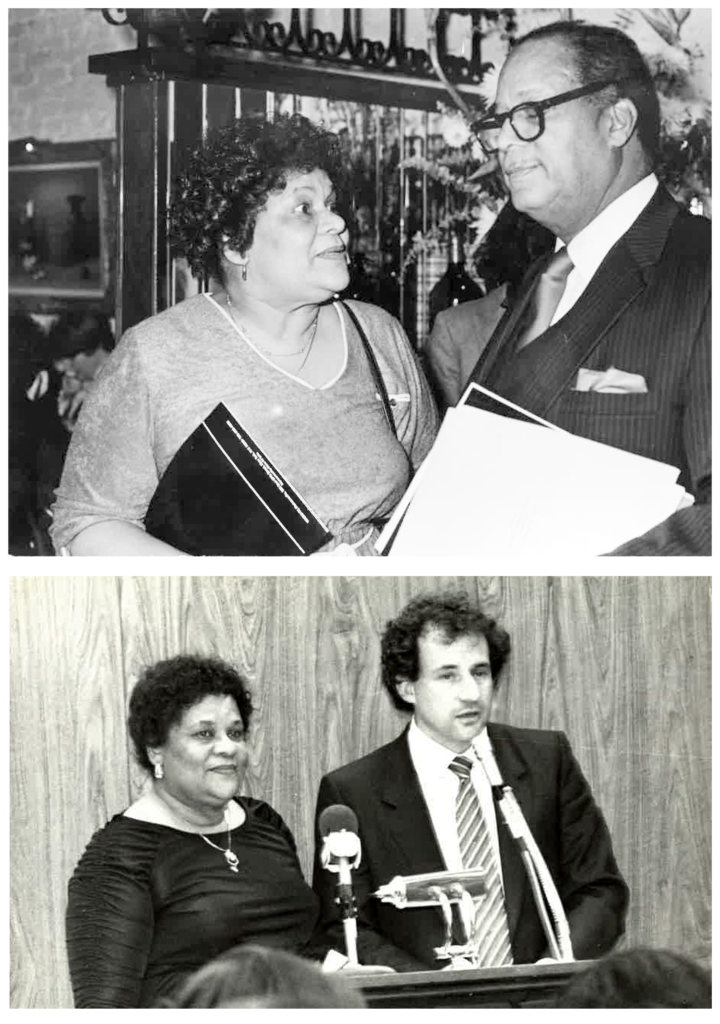 a to the position of Executive Secretary of the NYC Mental Health, Retardation and Alcoholism Service, a position she would hold until her retirement in 1985.
When Emma discovered that the City of New York was looking to open mental health facilities without input from the community, she teamed with the late William F. Hatcher and assembled members of the community, to establish the non-profit organization that would be the catalyst for the Upper Manhattan Mental Health Center, Inc.
Emma was aware of the influence that images portrayed in mass media can have on a community and individual. In 1971, she helped to form Black Citizens for a Fair Media (BCFM). Soon after, BCFM approached broadcast executives at the New York City flagship stations of the major television networks to establish positive agreements to improve programming, develop training programs as well as employment opportunities for people of color.
The Foundation for Minority Interest in Media, founded in 1989, is an outgrowth of BCFM. The Foundation provides opportunities for minority youth to learn, be mentored and develop into highly qualified media professionals. The Foundation is supported by many of the same stations Emma Bowen approached years ago as well as many new networks, cable companies, and other media related companies. Upon her death in 1996, the foundation became the first of two organizations to bear Emma’s name, when it became – The Emma L. Bowen Foundation.
The second organization opened its doors in 1986 as the Upper Manhattan Mental Health Center. Renamed the Emma L. Bowen Community Service Center, after Emma’s passing, the Center is one of Harlem’s leading community-based organizations dedicated to providing supportive behavioral health services.
Emma was a media spokesperson for many causes, testified at the FCC on minorities and the media, and received numerous many awards for her significant contributions to the community she loved. One of her greatest achievements was receiving her Bachelor of Arts degree from Fordham University, in front of her grandchildren.
Emma Bowen was a true force for good. Her legacy lives on through thousands of individuals who have been enriched by the programs she helped to establish.